Error message
Deprecated function: The each() function is deprecated. This message will be suppressed on further calls in menu_set_active_trail() (line 2405 of /home/undergra/public_html/includes/menu.inc).
August 2015
A few years ago, I interviewed a student who didn't put much effort into making their resume a professional document.
As they were only a second-year student, I didn’t expect their resume to be packed with awards and accomplishments—after all I knew that an in-depth research experience would give them the opportunities to do just that. But I did expect a basic level of professionalism.
If you're offered a research position but it’s not the perfect one for you don’t feel guilty for turning it down.
An interviewer will be polite if you decline a research position—and most will actually be grateful that you did so. Although that might sound odd, a research mentor only wants to work with a student who will be a good fit for the available project, and that starts with the student having a strong interest in the opportunity.
Whether this is your first semester on campus or your first semester in a new lab some awkward nervousness is to be expected. If you find yourself a little overwhelmed remember that almost everyone new is going through the same thing. Not sure that's true? Look to the PEEPS for a little bit of wisdom.
Those marshmallow bunnies have it all figured out.
The first few weeks of a new semester are often the most exciting. They are also, typically, the most expensive in both time and lab reagents.
Even if you only took a short break between the end of the last semester and the start of a new one, simply getting out of a lab routine can throw off your game.
Therefore, before you start an experiment this week, no matter how confident you are, take an extra few minutes to read over the entire protocol before you start.
If you’ll submit that all-important packet for the next step in your career next spring, you might not be thinking much about your recommendation letters this August. And, if that is indeed the case, pay close attention to this #ProTip: You should reconsider your strategy.
If you're premed, you have approximately 8 months until it's time to ask for letters from your professors (give or take a few weeks depending on your specific circumstances). But that doesn't mean that you have 7 1/2 months until you need to think about those letters.
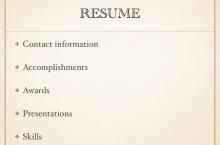
A student asked us to help her understand the difference between a resume and a CV. She had read “a bunch of stuff online” and was confused what she should name her document. She said, “ I’m a bio engineering major but am applying for volunteering for a job in an art museum.” So which is it a resume or CV?
In a week or so, many of you who participated in a full-time summer research experience will once again become a part-time researcher and full-time student. Keep this tip in mind from the article we posted earlier this summer, 10 Things to Expect From Your Summer Undergrad Research Experience.
Submitted by undergrad-admin
—from the PI’s Desk
Early in my career, a tenured professor told me, "If you sneeze, and it's a good sneeze, keep track of it." At the time I doubted it would matter but I've been forever grateful that I followed his advice.
Writing down noteworthy (and seemingly insignificant) accomplishments, skills, and activities while the details are fresh in your mind can make all the difference when you need to update a Resume or CV for a scholarship, volunteer, job, or program application.
The salutation you use in an email matters.
A salutation is the first thing most people read, it sets the tone for the rest of the email, and it demonstrates your level of professionalism. For good or bad, it also carries the power to influence your reader. And you don’t want the person who reads your email to be annoyed or offended right from the start—especially if your plan is to ask a favor.
The American Society for Biochemistry and Molecular Biology has a monthly publication called ASBMB Today that has both print and online distribution.
Pages